Why Gorilla Trekking Tours in Uganda Are a Bucket List Must
Have you ever wanted to see Gorillas in the wild?
Are you an adventurer at heart, seeking a truly unique experience? Then gorilla trekking in Uganda, known as the Pearl of Africa, might just be what you’re looking for. Imagine standing in the presence of majestic mountain gorillas, watching them interact in their natural habitat. This isn’t just going on gorilla safaris; it’s a life-changing encounter that you’ll cherish forever.
In this blog post, we’ll explore why Uganda is the premier destination for gorilla trekking, and what you can expect from this extraordinary adventure.
Is Gorilla Trekking in Uganda Worth It?
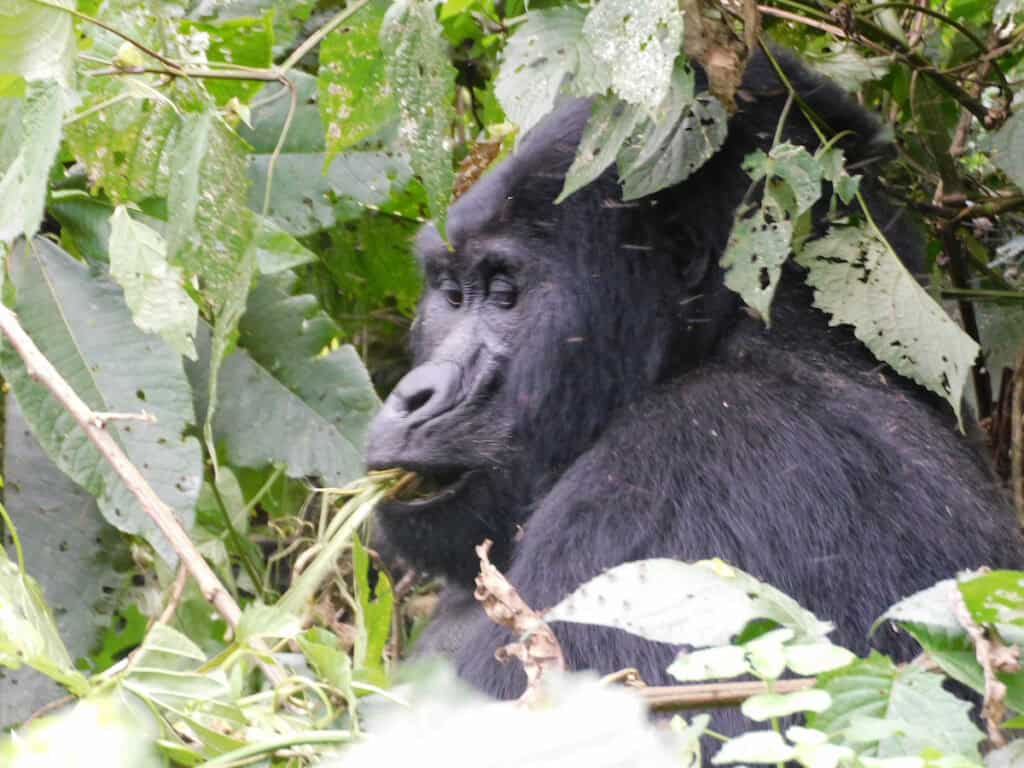
Encountering mountain gorillas in Uganda is not just another wildlife tour; it’s a spiritual experience. These magnificent creatures are among the most endangered species on Earth, and seeing them up close in their natural habitat is awe-inspiring. The dense forests and misty mountains add to the mystical allure of this adventure.
Conservation Impact
By participating in a gorilla trekking tour, you’re contributing to their conservation. A significant portion of the permit fees goes towards protecting these gentle giants and their habitat, ensuring that future generations can also enjoy this incredible experience.
What type of Gorillas will I see?
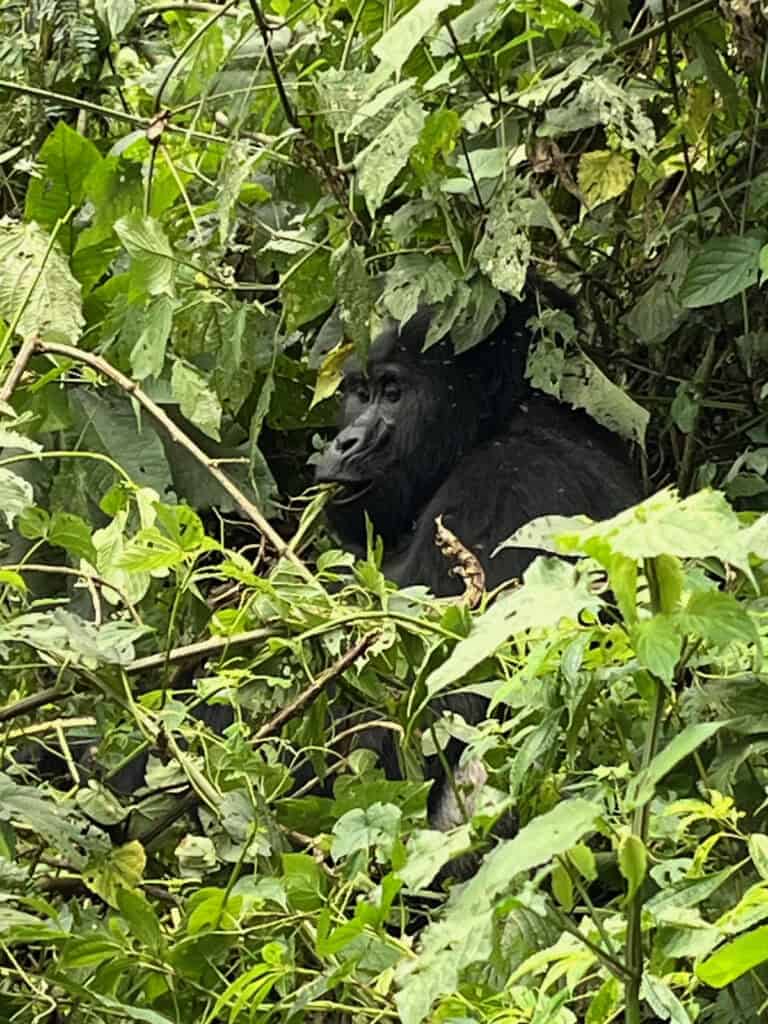
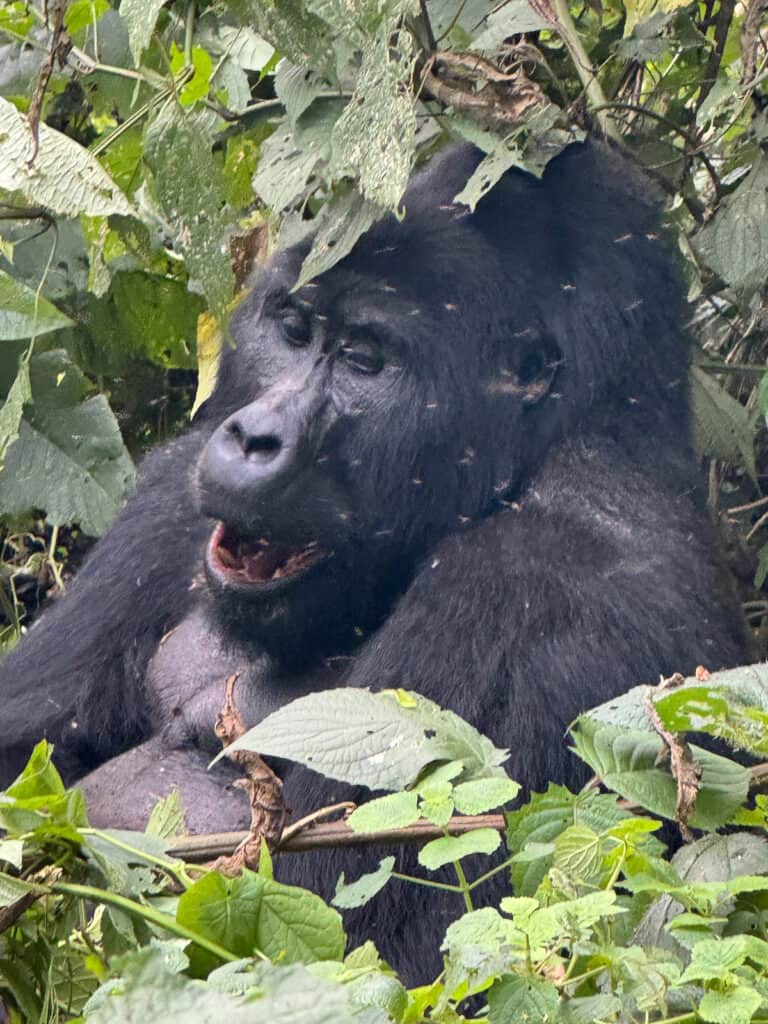
Uganda is home to the endangered mountain gorillas, which can only be found in three countries worldwide. These gorillas are larger and have longer hair than other species, such as the lowland gorillas found in Central Africa, making them a sight to behold.
While lowland gorillas inhabit lower-altitude forests and are generally more numerous, mountain gorillas are rarer and more elusive, making encounters in the wild even more significant. During your trek, you’ll have the unique opportunity to observe the mountain gorillas’ distinct personalities and behaviors, making for an unforgettable experience.
How many are in the wild?
Estimates show that only around 1,000 mountain gorillas remain in the wild, making this encounter even more special. These amazing animals face threats such as poaching and habitat destruction, highlighting the importance of conservation efforts.
Out of the three countries where mountain gorillas can be found, Uganda is home to over half of them. This makes it the ideal destination for encountering these majestic creatures in their natural habitat. Rwanda and the Democratic Republic of Congo make up the rest of the population.
Personal Experience in Bwindi
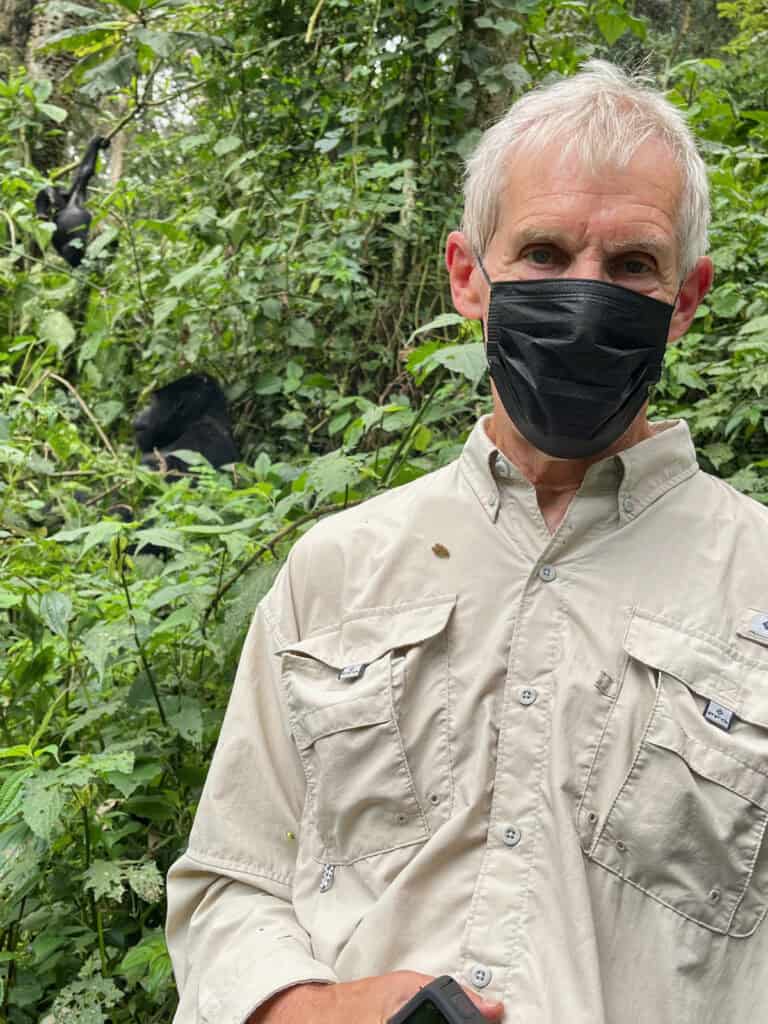
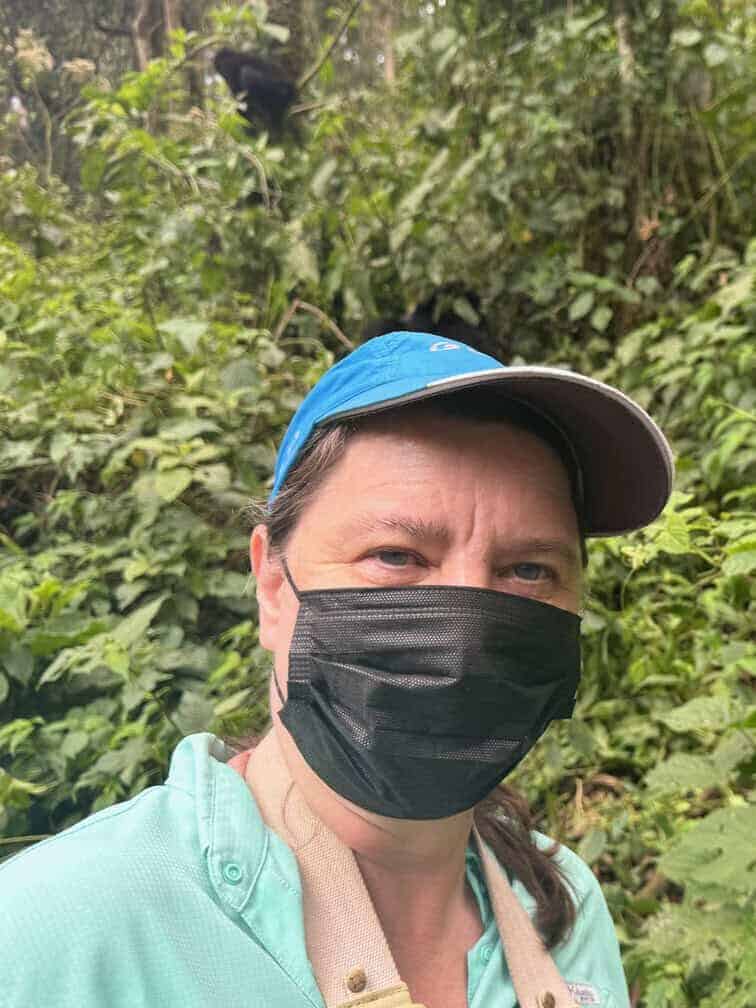
My trek through Uganda’s Bwindi Impenetrable National Park was nothing short of magical. The anticipation built as we hiked through dense jungle terrain, led by expert guides who shared fascinating insights about the flora and fauna.
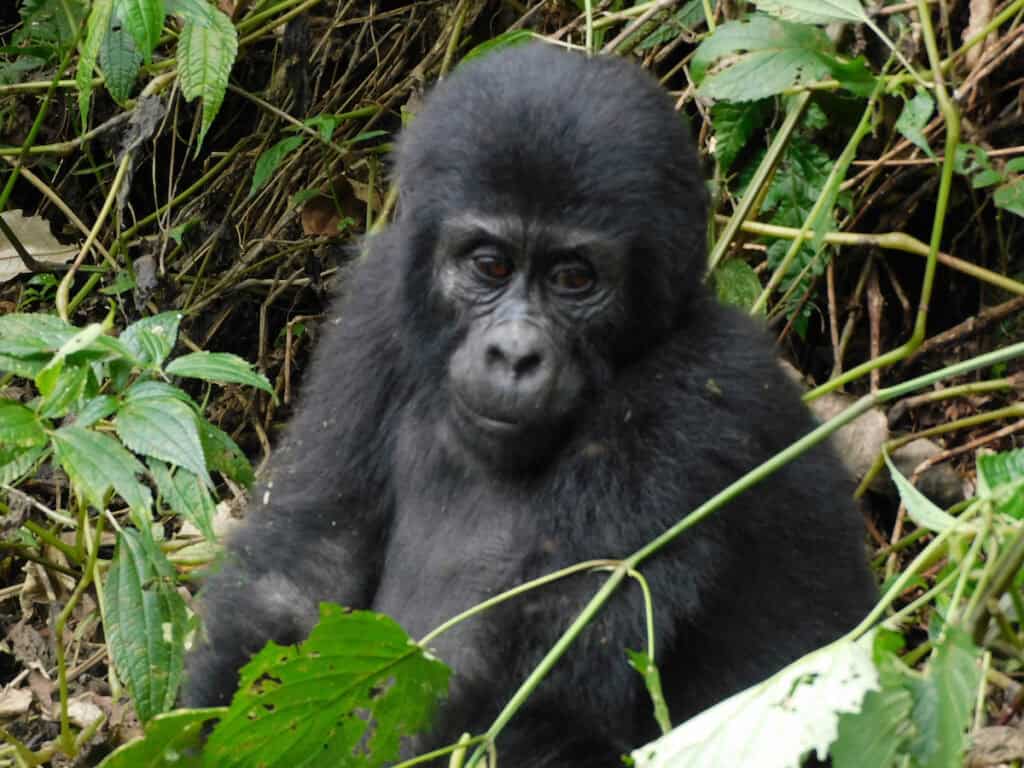
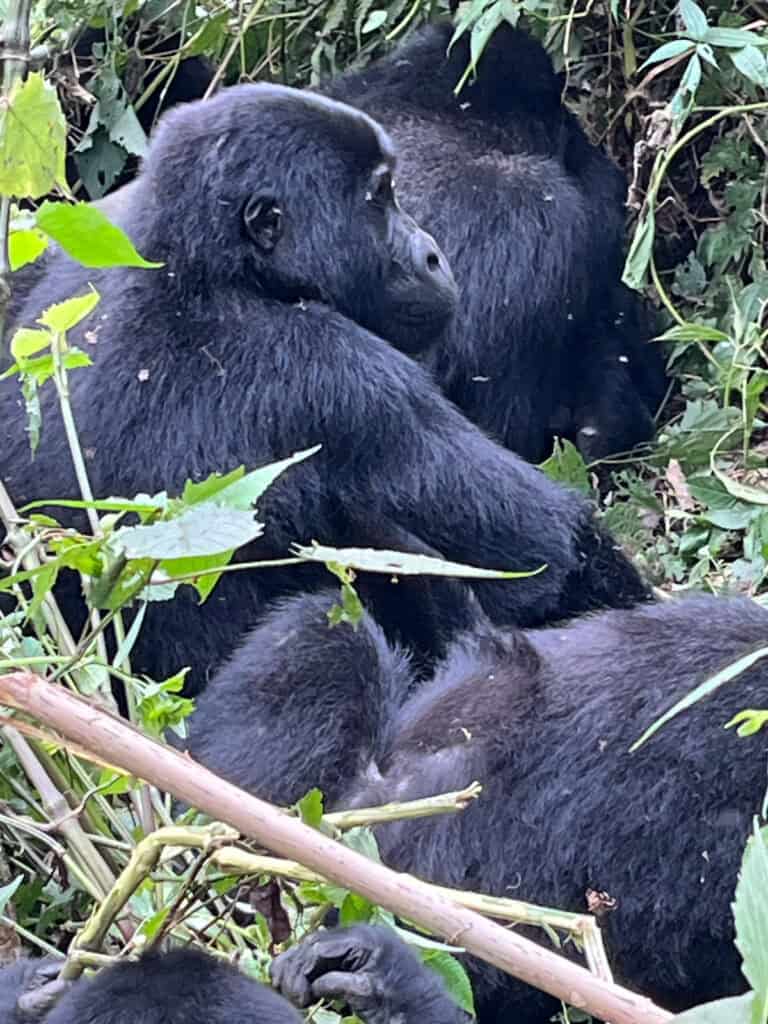
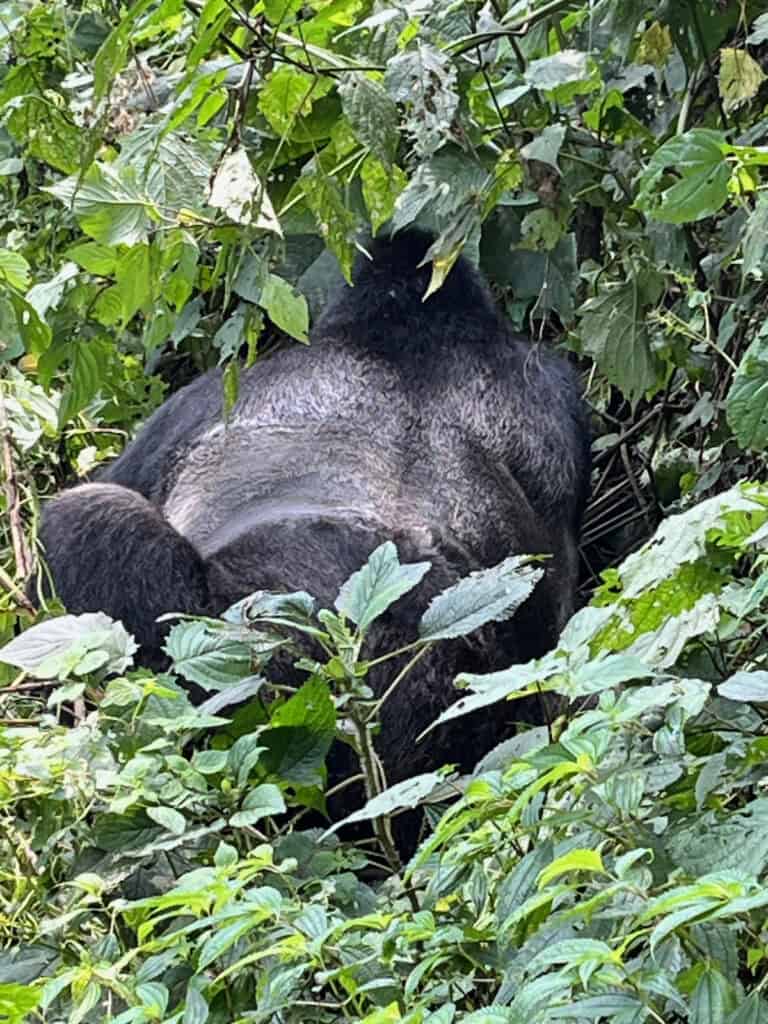
Finally, we spotted them—a family of gorillas. Watching a mother cradle her baby or a dominant silverback asserting his presence was overwhelming and humbling. The memory of the encounter with this Gorilla group still gives me chills. Bwindi Forest was amazing as well.
Places to Trek Gorillas in Uganda
If you’re looking for a once-in-a-lifetime experience of trekking gorillas in their natural habitat, Uganda offers several options that will not disappoint.
Bwindi Impenetrable National Park
Bwindi National Park is divided into four sectors—Buhoma, Ruhija, Rushaga, and Nkuringo. Each offers unique experiences and varying levels of trekking difficulty. Buhoma is known for its lush landscapes, while Nkuringo features steeper terrains for the more adventurous.

Mgahinga Gorilla National Park
Mgahinga National Park may be smaller, but it’s equally captivating. Nestled in the Virunga Mountains, it offers breathtaking views and shares borders with Rwanda and the Congo. It’s perfect for those looking to explore multiple countries in one trip.
Costs of Gorilla Trekking in Uganda
Trekking gorillas in Uganda may seem like a pricey endeavor, but it’s important to understand the costs involved and how they contribute to conservation efforts. The following are some of the expenses you can expect when planning your gorilla trek in Uganda.


Permit Fees
A gorilla permit is the most significant expense, costing usually over $800 USD per person. This fee goes towards park maintenance, anti-poaching efforts, and local community projects. Permits are limited and must be booked well in advance through a registered tour operator.
A gorilla trekking permit in Uganda is currently priced at $800 for foreign visitors and $600 for East African residents. This includes the park entrance and the guidance of experienced trackers. Group size is limited to no more than 8 per tour group.
Accommodation costs vary depending on your choice of lodging, ranging from budget to luxury options.


Accomadations and Travel
To reach the national parks, you will need to budget for transportation costs. Depending on your starting location and choice of transport, this can range from $100 to $500 round-trip.
Accommodation options vary depending on your budget and preference. There are luxury lodges, mid-range hotels, and budget-friendly campsites available near the parks. On average, expect to spend between $100 to $400 USD per night for lodging.
Budget-Friendly Camp – Karungi Camp
Mid-range – Bwindi Forest Lodge
Luxury Lodge – Ichumbi Gorilla Lodge
You can access Gorilla trekking by flying to Entebbe International Airport (EBB) in Uganda or Kigali International Airport (KGL) in Rwanda.
Additional Costs
Don’t forget to budget for tips for guides, security personnel, gorilla trekkers, porters, and any extra activities you might want to engage in. Hiring a porter will cost $20 USD, and trust me, it’s worth every penny for the support they provide, from carrying your pack to helping you up and down the mountain terrain.
We discovered that porters are permitted to work only two days a month due to high demand for the role.

What to Wear for Gorilla Trekking
When preparing for a gorilla trekking experience, it’s important to pack and wear appropriate clothing. The following are some recommendations on what to wear during your trek.
Appropriate Clothing
The terrain in the national parks can be challenging, with steep hills and thick vegetation. It’s important to wear comfortable and sturdy hiking shoes or boots that provide good ankle support. Long pants and long-sleeved shirts are also recommended to protect against scratches and insect bites.
A rain jacket or poncho is essential as these forests often experience sudden showers. A hat or cap is also recommended to protect from both sun and rain.
A face mask is required when visiting the gorilla family.


Recommended Accessories
Gloves can come in handy when navigating through the thick vegetation or when holding on to tree branches for balance. A walking stick is also recommended as it can help with stability and support during the trek.
A small backpack or daypack is useful for carrying water, cameras, snacks, sunscreen, insect repellent, sunglasses, and any extra layers of clothing. It’s important to stay hydrated and energized while trekking.

How Long Does Gorilla Trekking Take?
The entire trekking experience can take anywhere from 2 to 8 hours. This includes the hike to and from the gorilla families and the one hour spent observing them. Trek lengths vary based on the gorillas’ location and the fitness level of the group.
Factors Affecting Trek Length
The distance to the gorilla families can change daily as they move through the forest. Your guides will brief you on the expected trek length before you set out.
Age Limit for Gorilla Trekking
The minimum age for gorilla trekking in Uganda is 15 years old. This is to ensure the safety of both the trekkers and the gorillas. Younger children can be unpredictable, which could disturb the animals.
Tips for Families
If you’re traveling with younger children, consider other family-friendly activities in Uganda, such as visiting the Entebbe Zoo or taking a boat safari on the Nile.

Best Time to Go Gorilla Trekking in Uganda
Dry Season
The best time to go gorilla trekking is during the dry seasons, from June to September and December to February. Trails are easier to navigate, and the likelihood of encountering gorillas is higher.
Rainy Season Pros and Cons
While the wet seasons (March to May and October to November) offer fewer crowds and lush green scenery, the trails can be muddy and challenging. However, permits are often cheaper during this time.
Tips for Mountain Gorilla Trekking in Uganda
Here are some tips to help make your gorilla trekking experience in Uganda even more enjoyable and successful:
Physical Fitness Preparation
Start preparing for your trek well in advance. Engage in regular cardio and strength training exercises to build stamina and muscle strength. The fitter you are, the more enjoyable the trek will be.
Respecting Gorillas
Always follow the park rules and guidelines. Maintain a seven-meter distance from the gorillas and avoid making sudden movements. Your guides will provide crucial instructions to ensure both your safety and that of the gorillas.
Benefits of Hiring a Porter
Porters are invaluable. They not only help carry your gear but also provide physical and moral support and share local knowledge. Plus, hiring a porter supports the local community.

Book with a Reputable Tour Company
Choose a reputable tour company with experienced guides who prioritize your safety and comfort. They will also help you obtain permits, book accommodations, and make necessary travel arrangements.
Pack the Right Gear
Make sure to pack appropriate hiking gear, including waterproof boots, rain jackets, sunscreen, insect repellent, and a sturdy backpack for your essentials. Also, bring along some snacks and plenty of water.
Health Precautions and Vaccinations
Before embarking on a gorilla trekking adventure in Uganda, it’s essential to prioritize your health and safety. Being well-prepared ensures that your experience is both enjoyable and worry-free. Here’s what you need to know:
Recommended Vaccinations
When traveling to Uganda, several vaccinations are recommended, some of which may be mandatory depending on your country of origin:
- Yellow Fever: A yellow fever vaccination is required for entry into Uganda, and you must carry proof of vaccination (yellow fever certificate).
- Hepatitis A and B: Vaccinations against Hepatitis A and B are strongly advised, as both can be contracted through contaminated food, water, or medical procedures.
- Typhoid: Since typhoid can be transmitted through food and water, a vaccination is recommended, especially if you plan to visit rural areas.
- Tetanus: Ensure your tetanus vaccination is up-to-date, as trekking may expose you to injuries where tetanus could be a risk.
- Rabies: Consider a rabies vaccination if you’ll be spending a lot of time outdoors or in remote areas where medical care may be delayed.

Malaria Prevention
Uganda is a malaria-endemic country, so it’s crucial to take preventive measures:
- Antimalarial Medication: Consult your healthcare provider about taking antimalarial medication, which should be started before arrival and continued after leaving the region.
- Mosquito Protection: Use insect repellents with DEET, wear long sleeves and pants, and sleep under a mosquito net, especially at night. Staying in accommodations with screened windows or air conditioning also reduces mosquito exposure.
First-Aid Kit Essentials
Packing a well-stocked first-aid kit can be a lifesaver during your trek:
- Basic Supplies: Include adhesive bandages, antiseptic wipes, gauze, and medical tape for minor injuries.
- Medications: Carry over-the-counter pain relievers, anti-diarrheal medication, antihistamines, and any prescription medications you need. Include altitude sickness tablets if you are prone to it.
- Blister Care: Trekking in rugged terrain may lead to blisters, so include blister pads or moleskin to prevent discomfort.
- Water Purification: Consider bringing water purification tablets or a portable filtration system if you plan to drink water from natural sources.
Managing Altitude Sickness
While most gorilla trekking in Uganda occurs at moderate altitudes, some visitors may still experience mild altitude sickness:
- Acclimatization: Spend a day or two acclimatizing at the trekking location before your hike, especially if coming from a lower altitude.
- Hydration: Stay well-hydrated, as dehydration can exacerbate altitude sickness symptoms. Avoid alcohol and caffeine, which can contribute to dehydration.
- Pacing: Trek at a comfortable pace, allowing your body to adjust gradually. Listen to your body, and don’t hesitate to take breaks if you feel short of breath or dizzy.
By taking these health precautions and ensuring you have the necessary vaccinations, you’ll be well-prepared for your gorilla trekking experience. Prioritizing your health allows you to fully immerse yourself in the adventure, knowing you’ve minimized potential risks
Photography Tips for Gorilla Trekking
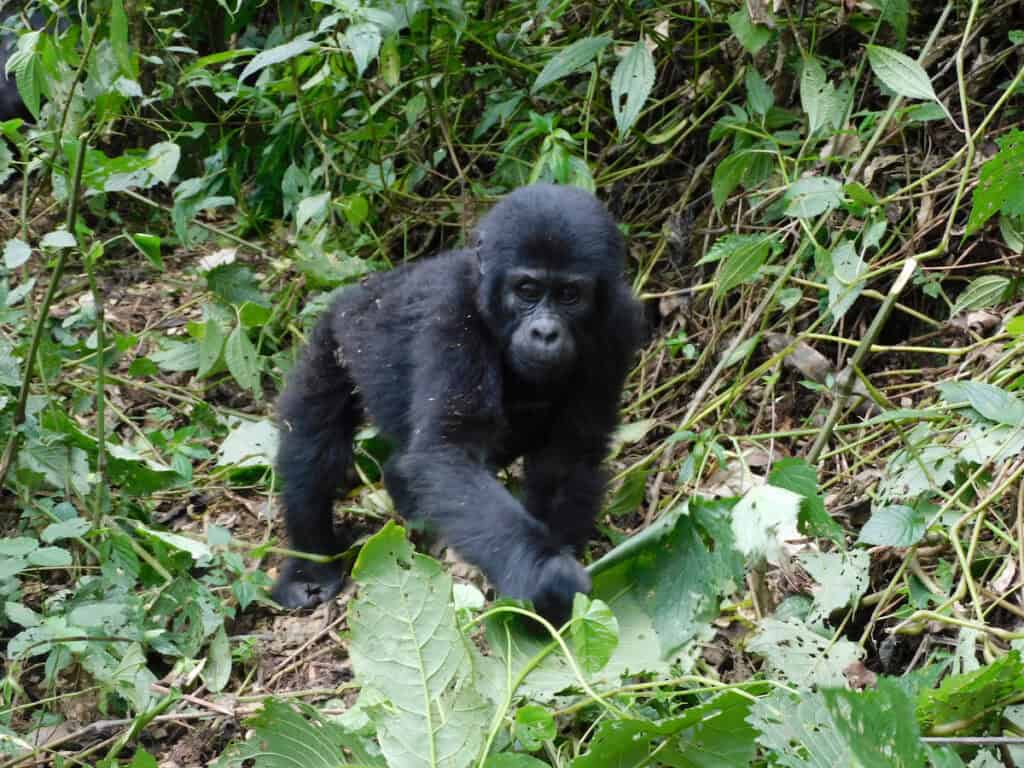
Capturing the perfect shot of mountain gorillas in their natural habitat is a highlight of any trek, but it’s important to balance photography with respect for these incredible animals. Here are some tips to help you take stunning photos while maintaining proper etiquette.
1. Respect the Gorillas and Their Habitat
- Keep Your Distance: Always maintain a minimum distance of 7 meters (about 23 feet) from the gorillas. This not only ensures their safety but also prevents the transmission of human diseases.
- Avoid Flash Photography: Flash can startle the gorillas and disrupt their natural behavior. Make sure to turn off your camera’s flash before entering the gorilla’s vicinity.
- Be Quiet and Move Slowly: Sudden movements and loud noises can distress the gorillas. Move calmly and quietly to capture candid moments without disturbing them.
2. Camera Gear Recommendations
- Zoom Lens: A zoom lens (e.g., 70-200mm) is ideal for capturing detailed shots from a distance. This allows you to respect the gorillas’ space while still getting close-up images.
- Camera with Good Low-Light Performance: The dense forest canopy often creates low-light conditions. A camera with a wide aperture (f/2.8 or lower) and good ISO performance will help you take clear photos in these settings.
- Extra Batteries and Memory Cards: Trekking can be a full-day experience, and you won’t have opportunities to recharge or upload photos. Bring extra batteries and memory cards to ensure you don’t miss any important shots.
- Waterproof Protection: The weather in the rainforest can be unpredictable. Bring a rain cover or waterproof bag for your camera gear to protect it from sudden downpours.
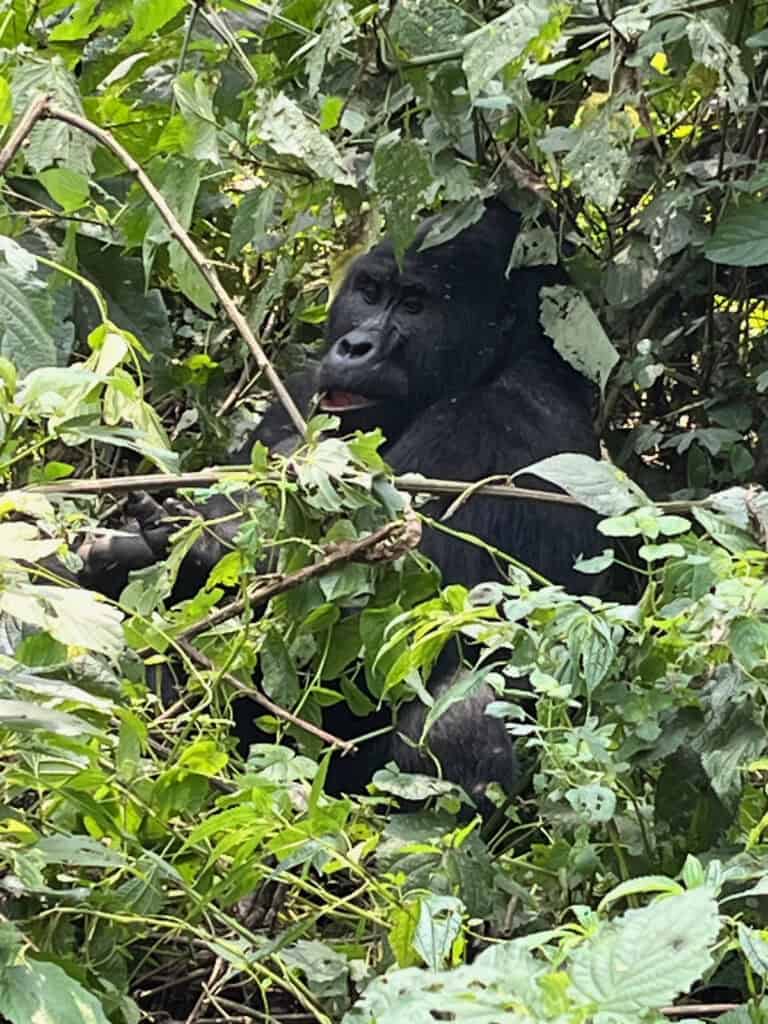
3. Optimal Camera Settings
- Use a Fast Shutter Speed: Gorillas can move quickly, so set your camera to a fast shutter speed (1/250 sec or faster) to capture sharp images without motion blur.
- Adjust ISO Sensitivity: In low light, increase your ISO sensitivity, but be mindful of noise. Finding the right balance is key—start around ISO 800 and adjust as needed.
- Aperture Priority Mode: If your camera has this setting, use it to control the depth of field. A wide aperture (f/2.8 – f/5.6) creates a beautiful bokeh effect, isolating the gorilla from the background.
4. Capture the Moment
- Focus on the Eyes: The eyes are the most expressive part of any animal. Ensure your camera’s focus point is on the gorilla’s eyes to create a connection in your photos.
- Tell a Story: Look for moments that tell a story, such as a mother cradling her baby or a silverback interacting with his group. These candid shots often convey the emotion and intimacy of the gorillas’ lives.
- Take Your Time: Don’t rush to take as many photos as possible. Observe the gorillas, anticipate their movements, and wait for the right moment to capture a meaningful shot.
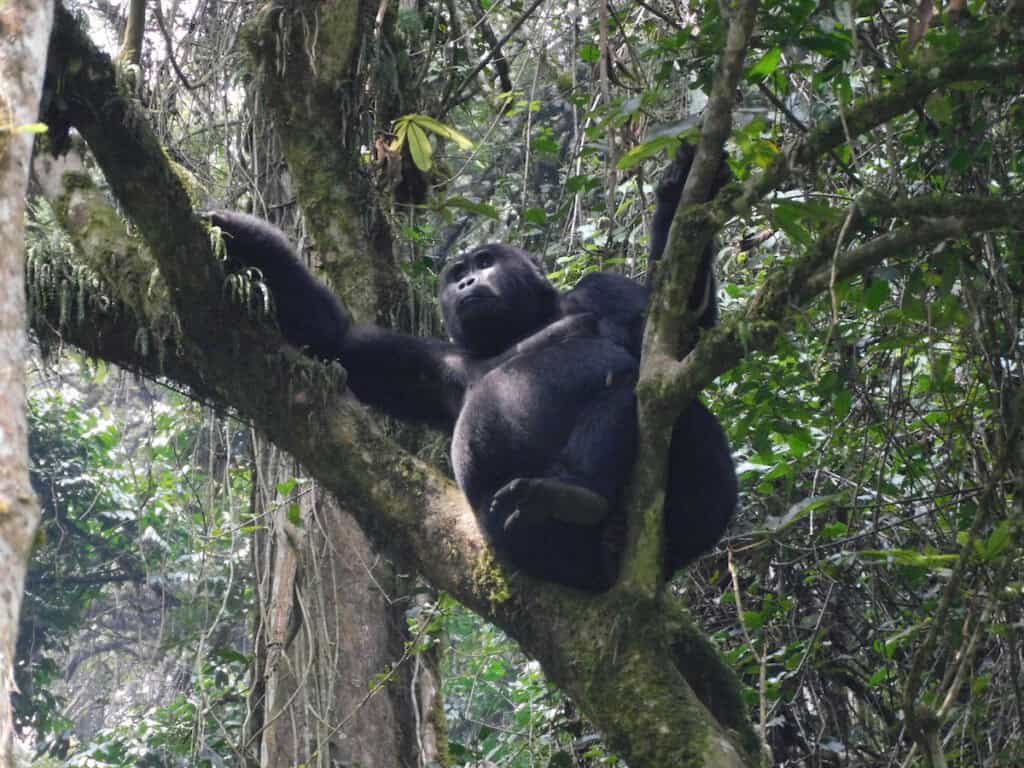
5. Practice Ethical Photography
- Limit Photo Time: While it’s tempting to take hundreds of photos, remember that you’re there to observe and appreciate the gorillas. Strike a balance between capturing memories and simply being present in the moment.
- Follow the Guide’s Instructions: Your guides are experienced in gorilla behavior and will advise you on the best practices for photography. Always heed their advice, as they prioritize the well-being of both the gorillas and visitors.
By following these photography tips, you’ll not only capture incredible images of Uganda’s mountain gorillas but also contribute to their conservation by practicing responsible tourism. These once-in-a-lifetime photos will serve as cherished memories of your respectful and awe-inspiring encounter with one of the world’s most endangered species.

Trekking in Uganda vs. Rwanda
Comparing Experiences
Uganda offers a more rugged and authentic trekking experience, often at a lower cost compared to Rwanda. Rwanda, on the other hand, boasts easier terrains in Volcanoes National Park, making it suitable for those looking for a less strenuous trek.
Both countries are part of the larger East Africa region, where you can experience the unique biodiversity and stunning landscapes that make gorilla trekking such an unforgettable adventure.
Permit Costs and Terrain
Gorilla trekking permits in Rwanda are more expensive, currently priced at $1,500. However, the easier terrain and shorter hikes can be a significant advantage for some trekkers.
Other Places to Visit in Uganda
Uganda is a diverse and beautiful country, offering many incredible attractions beyond gorilla trekking. Here are some other places you should consider visiting during your trip to Uganda.
Queen Elizabeth National Park
Famous for its tree-climbing lions and vast savannahs, this park offers excellent wildlife viewing opportunities through game drives.
Murchison Falls National Park
Witness the awe-inspiring Murchison Falls, where the Nile River squeezes through a narrow gorge, creating a powerful waterfall. The park is also home to diverse wildlife, including elephants, giraffes, and crocodiles.
Kibale Forest National Park
This park is a paradise for primate lovers, offering chimpanzee trekking and birdwatching. The lush forest landscape makes it a scenic and serene destination.
Lake Bunyonyi
Known as the “Switzerland of Africa,” Lake Bunyonyi is perfect for relaxation and cultural experiences. Enjoy canoeing, swimming, and visiting local communities.
Lake Mburo National Park
Lake Mburo National Park is located in western Uganda and is known for its diverse wildlife and scenic landscapes. Visitors can enjoy activities such as boat rides, game drives, and bird watching while taking in the beauty of this protected area.
Mabamaba Swamp on Lake Victoria
Mabamba Swamp is an important wetland in Uganda that is home to various plant and animal species, including the endangered shoebill. The swamp is a popular destination for birdwatchers who come to see the large and unique-looking shoebills in their natural habitat.
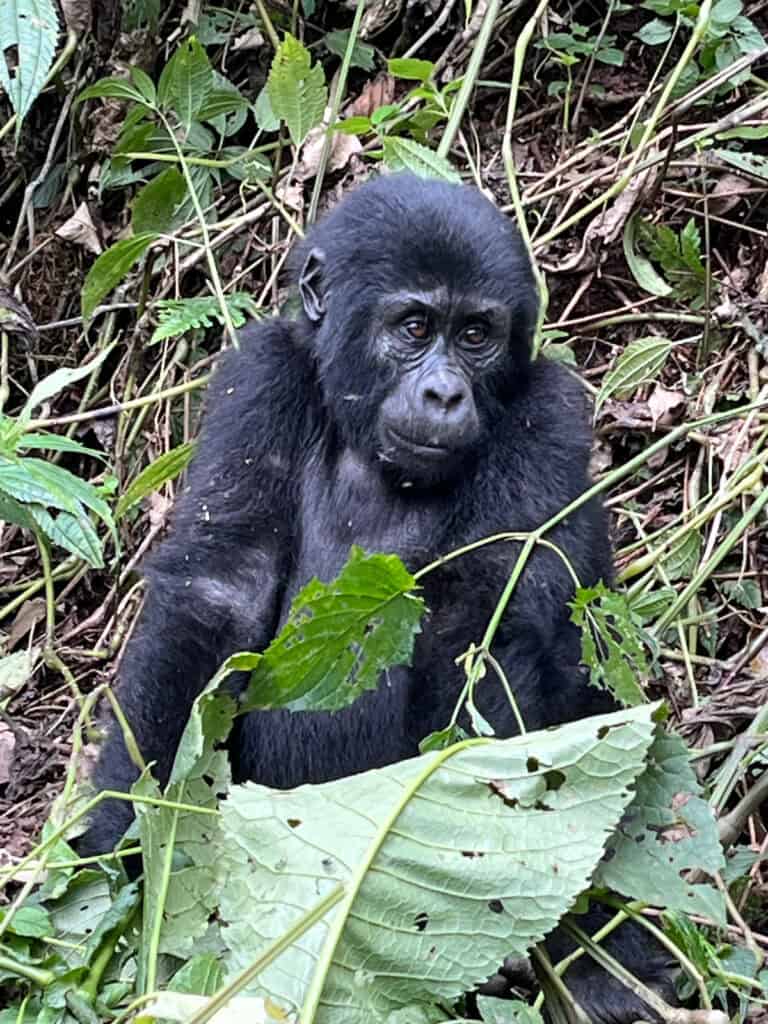
Cultural Insights
Gorilla trekking in Uganda is not just about encountering these magnificent creatures; it’s also an opportunity to immerse yourself in the rich cultural tapestry of the communities living near the trekking areas. Engaging with local cultures can significantly enhance your trip, providing a deeper connection to the region and its people.
1. Engage with Local Communities
- Batwa Community Visits: The Batwa, also known as the “Keepers of the Forest,” are an indigenous group with a deep connection to the Bwindi Impenetrable Forest. After your trek, you can visit a Batwa community to learn about their traditional way of life, including hunting, gathering, and herbal medicine.
Many tours offer a cultural experience where the Batwa share their stories, music, and dances, providing a unique perspective on the forest’s history and the challenges of preserving their culture.
- Community Tourism Initiatives: Several community-based tourism projects near Bwindi and Mgahinga offer visitors the chance to experience rural Ugandan life. These initiatives often include village walks, visits to local schools, and agricultural tours, where you can participate in activities like coffee-making or banana-beer brewing. Engaging in these experiences directly supports local development and conservation efforts.
2. Visit Cultural Sites
- Traditional Craft Markets: Throughout Uganda, especially in areas near gorilla trekking locations, you’ll find markets selling handmade crafts like baskets, beads, and textiles. Visiting these markets allows you to purchase authentic souvenirs while supporting local artisans. Many of the crafts are made using traditional techniques passed down through generations.
- Historical Sites: Depending on your itinerary, consider visiting historical and cultural sites such as the Igongo Cultural Centre in Mbarara, which showcases the heritage of southwestern Uganda. Here, you can explore exhibits on the Ankole Kingdom, traditional music, and local history.
3. Unique Cultural Experiences
- Traditional Dance Performances: Many lodges and trekking camps organize evening performances by local dance groups. These vibrant shows feature traditional dances, drumming, and storytelling, offering an entertaining and educational glimpse into the region’s cultural heritage.
- Participate in Local Festivals: If your visit coincides with a local festival, you’re in for a treat. Festivals in Uganda are colorful and lively, often centered around music, dance, and community feasting. Participating in a local celebration provides an authentic insight into Ugandan culture and hospitality.
4. Culinary Experiences
- Taste Local Cuisine: Don’t miss the chance to try traditional Ugandan dishes like matoke (steamed bananas), groundnut sauce, and luwombo (meat or vegetables steamed in banana leaves). Many lodges offer cooking classes where you can learn to prepare these dishes using locally sourced ingredients.
- Coffee and Tea Tours: Uganda is known for its high-quality coffee and tea. Consider taking a guided tour of a coffee plantation or tea estate near the trekking areas. These tours often include tastings and the opportunity to purchase freshly roasted beans or tea leaves.
By incorporating cultural experiences into your gorilla trekking adventure, you’ll gain a richer understanding of the people and traditions that make this region so special. These interactions not only enhance your trip but also contribute to the sustainability of local communities, ensuring that both the natural and cultural heritage of Uganda is preserved for future generations

Frequently Asked Questions (FAQs) Gorilla Trekking in Uganda
Here are some commonly asked questions about gorilla trekking in Uganda, along with their answers to help you plan your trip. Here we go!
You can get as close as seven meters. This distance ensures the safety of both you and the gorillas while allowing for intimate observation.
Yes, you must be in good health to go trekking. Gorillas are susceptible to human diseases, so it’s crucial to avoid trekking if you’re feeling unwell. Also, you need a mask to wear when you are near the Gorillas.
While sightings are highly likely, they are not guaranteed. Guides will make every effort to locate the gorillas, but if you’re unlucky, some parks offer a partial refund or a second trek at a reduced cost.
The gorilla habituation experience is a unique opportunity to spend more time with a specific group of wild gorillas as they are being gradually accustomed to human presence. This process takes about two years and involves researchers, conservationists, and trackers working together to make the gorillas comfortable around humans. This experience allows for longer periods of observation and interaction with the gorillas, providing a deeper understanding of their behavior and social dynamics.
The Wrap-Up: Is Gorilla Trekking in Uganda worth it?
Yes, without hesitation, if you have the opportunity to go Gorilla Trekking, do it!
Gorilla trekking in Uganda is more than just an adventure; it’s a once-in-a-lifetime experience that leaves a lasting impact. From the thrill of the trek to the awe of standing close to these magnificent creatures, every moment is worth the effort and expense.
Related Topics
- What should be on my South Africa Packing List?
- Is Johannesburg Worth Visiting, Or Should I Just Go To Cape Town?
- InterContinental Johannesburg O.R. Tambo Airport Hotel: Reviews, Dining, Amenities
- Getting Around in Cape Town Safely – With and Without a Car!